

Hydroxypropyl β-Cyclodextrin
HYDROXYPROPYL β-CYCLODEXTRIN
Origin & Source
Hydroxypropyl β-Cyclodextrin (HPβCD) is a highly refined carbohydrate derivative that originates from natural plant starch, most commonly corn. Native β-cyclodextrin is produced through an enzymatic conversion of starch, creating a ring-shaped sugar molecule. This base molecule is then modified through hydroxypropylation, a carefully controlled process that improves solubility, safety, and performance in cosmetic formulations. While its raw origin is botanical, the final ingredient is biotechnologically modified and is therefore considered technically not naturally derived, making transparency in its use especially important.
Molecular Structure & Functional Science
Hydroxypropyl β-Cyclodextrin has a unique toroidal (donut-shaped) molecular structure. The exterior of the molecule is water-loving (hydrophilic), while the interior cavity is oil-loving (lipophilic). This allows it to encapsulate oil-soluble ingredients—such as fragrance components, essential oils, and certain actives—inside its inner cavity while remaining fully dispersible in water. This encapsulation protects delicate molecules from evaporation, oxidation, and degradation, and allows for more controlled, gradual release.
Skin Function & Benefits
Although HPβCD does not directly hydrate or nourish the skin, it plays a critical supporting role in skin comfort and tolerance. By encapsulating fragrance molecules and volatile ingredients, it helps soften scent intensity, reduce irritation potential, and prevent sharp or overwhelming aromatic spikes. This makes products feel gentler on the skin, particularly in leave-on sprays, facial mists, and products used near the face or during rest and relaxation.
Formulation Role & Performance Benefits
In formulation, Hydroxypropyl β-Cyclodextrin dramatically improves stability, clarity, and elegance in water-based systems. It enhances the solubility of oil-based ingredients, prevents separation and spotting, reduces the need for higher surfactant levels, and improves shelf life. It also helps neutralize unwanted odors and allows formulators to use lower overall fragrance loads while achieving a more refined sensory experience.
Typical Uses in Skincare & Body Care
HPβCD is commonly used in facial mists, room and body sprays, sleep sprays, toners, deodorants, aromatherapy products, and water-light emulsions. It is especially valuable in formulations that contain essential oils or fragrance and require a clean, uniform, non-oily finish.
Why Unicorn Tears Uses It
Unicorn Tears uses Hydroxypropyl β-Cyclodextrin intentionally and transparently to enhance sensory refinement, stability, and skin comfort—especially in spray-based and wellness-focused products. While technically not naturally derived, it allows essential oils and fragrances to feel softer, longer-lasting, and more harmonious with the skin, supporting a calm, elevated experience without compromising performance or elegance.
Blog posts
Why the Born On Date Matters: The Power of Fresh Ingredients in Skincare
Why the Born On Date Matters Freshness is the foundation of effective skincare. At Unicorn Tears, every product is labeled with a Born On Date so you know exactly when it was made—because freshly c...
Read more
100% Naturally Derived Skincare: The Unicorn Tears Philosophy
At Unicorn Tears, 100% naturally derived skincare is more than a promise—it’s our philosophy. Explore the intention behind every ingredient we use.
Read more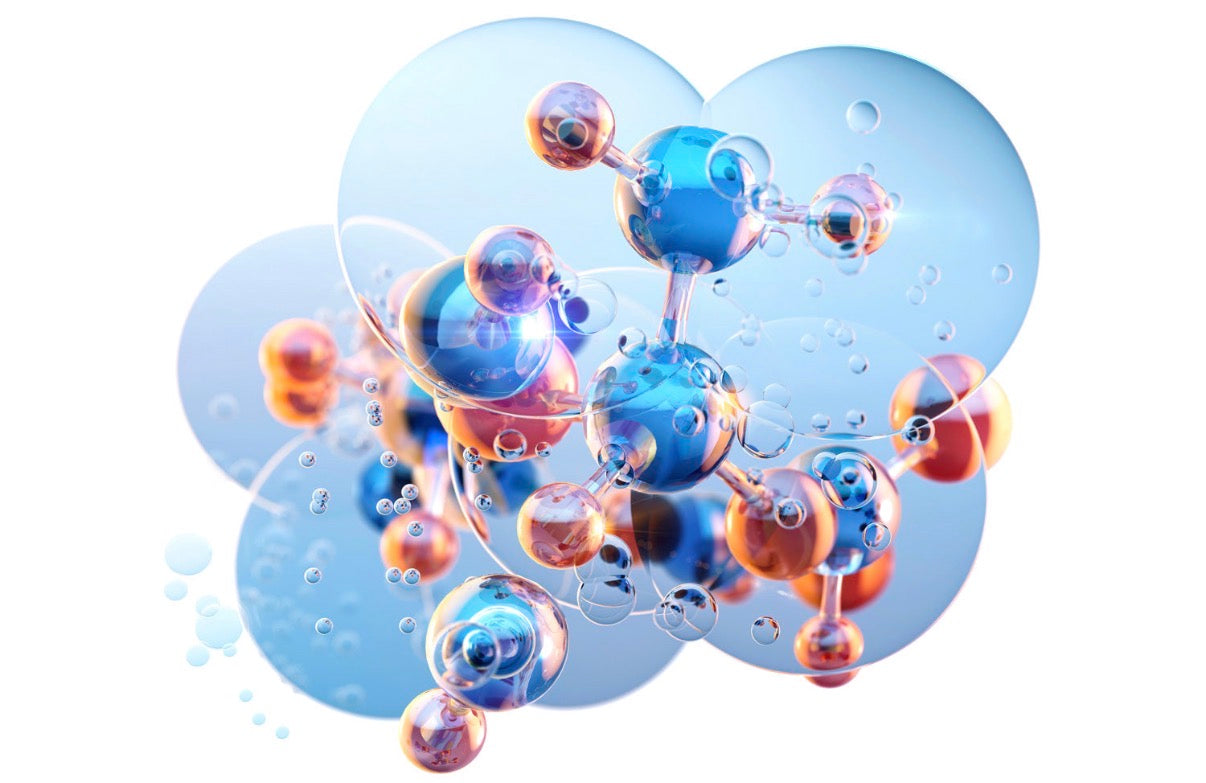
What Does a Peptide Serum Do? Skin Benefits Explained
Our peptide serums are formulated for those who want luxury skincare with real results—without harsh ingredients or unnecessary fillers. ✔️ 100% naturally derived ✔️ Gentle enough for daily use ✔️ ...
Read more