

Neroli Essential Oil
NEROLI ESSENTIAL OIL
(Citrus aurantium amara Flower Oil)
Origin & Source
Neroli essential oil is steam-distilled from the delicate white blossoms of the bitter orange tree (Citrus aurantium amara), a tree native to Southeast Asia and later cultivated throughout the Mediterranean—particularly in Italy, Tunisia, Morocco, and Egypt. The blossoms are harvested by hand during a very short flowering window in early spring, often at dawn, when their aromatic compounds are at their peak. Due to the low oil yield of the flowers, neroli is one of the most precious and labor-intensive essential oils in the world.
Phytochemical Profile & Aromatic Intelligence
Neroli’s aroma is the result of a sophisticated blend of linalool, linalyl acetate, nerolidol, limonene, and indole—a rare composition that combines freshness, floral softness, and subtle depth. This complexity gives neroli its unmistakable scent: luminous and citrus-bright at first inhale, followed by creamy floral warmth and a soft, grounding base. Chemically, this balance makes neroli both uplifting and calming at the same time—an uncommon duality among essential oils.
Skin Function & Benefits
On the skin, neroli essential oil is valued for its gentle rejuvenating and soothing properties when properly diluted. It supports skin comfort, helps soften the appearance of dryness, and contributes to a refined, healthy-looking complexion. Neroli is often selected for mature, sensitive, or emotionally stressed skin, as it offers support without stimulation or irritation. Its skin compatibility makes it suitable for refined facial formulations when used at appropriate levels.
Emotional & Sensory Experience
Neroli has long been associated with emotional restoration, nervous system balance, and heart-centered calm. Historically, it was used to ease anxiety, uplift the spirit, and promote restful sleep. Its aroma is often described as quietly euphoric—joyful yet serene. In ritual skincare, neroli transforms application into a moment of softness and emotional release, encouraging both presence and ease.
Cultural & Historical Significance
Neroli takes its name from Princess Anne Marie Orsini of Nerola, a 17th-century Italian noblewoman who popularized the fragrance by scenting her gloves and bathwater with bitter orange blossoms. Since then, neroli has become a cornerstone of fine perfumery, symbolizing elegance, purity, and understated luxury. It has been used in bridal rituals, sacred ceremonies, and classic eaux de cologne for centuries.
Formulation Role & Performance Considerations
In formulation, neroli is used sparingly and with intention due to its potency and value. It serves as both a natural fragrance note and an emotional anchor within essential oil blends. Neroli blends seamlessly with lavender, rose, geranium, chamomile, bergamot, and woods or resins, adding brightness and sophistication without overpowering other botanicals.
Typical Uses in Skincare & Ritual Products
Neroli essential oil is commonly found in facial creams, serums, mists, sleep sprays, body oils, perfumes, candles, and ritual wellness products. It is especially prized in formulations designed to calm, restore, and elevate daily self-care into a sensory ritual.
Why Unicorn Tears Uses It
Unicorn Tears uses neroli essential oil for its rare combination of skin gentleness, emotional uplift, and timeless elegance. It embodies the brand’s philosophy that luxury should feel light, intentional, and emotionally resonant. Neroli is not used for boldness—it is chosen for quiet joy, refined beauty, and the subtle magic that lingers long after application.
Blog posts

Bakuchiol vs. Retinol: What Science Says About This Gentle Skincare Alternative
Can bakuchiol deliver the skin-renewing benefits of retinol with less irritation? Discover what clinical research reveals about this plant-derived ingredient, its potential benefits for fine lines,...
Read more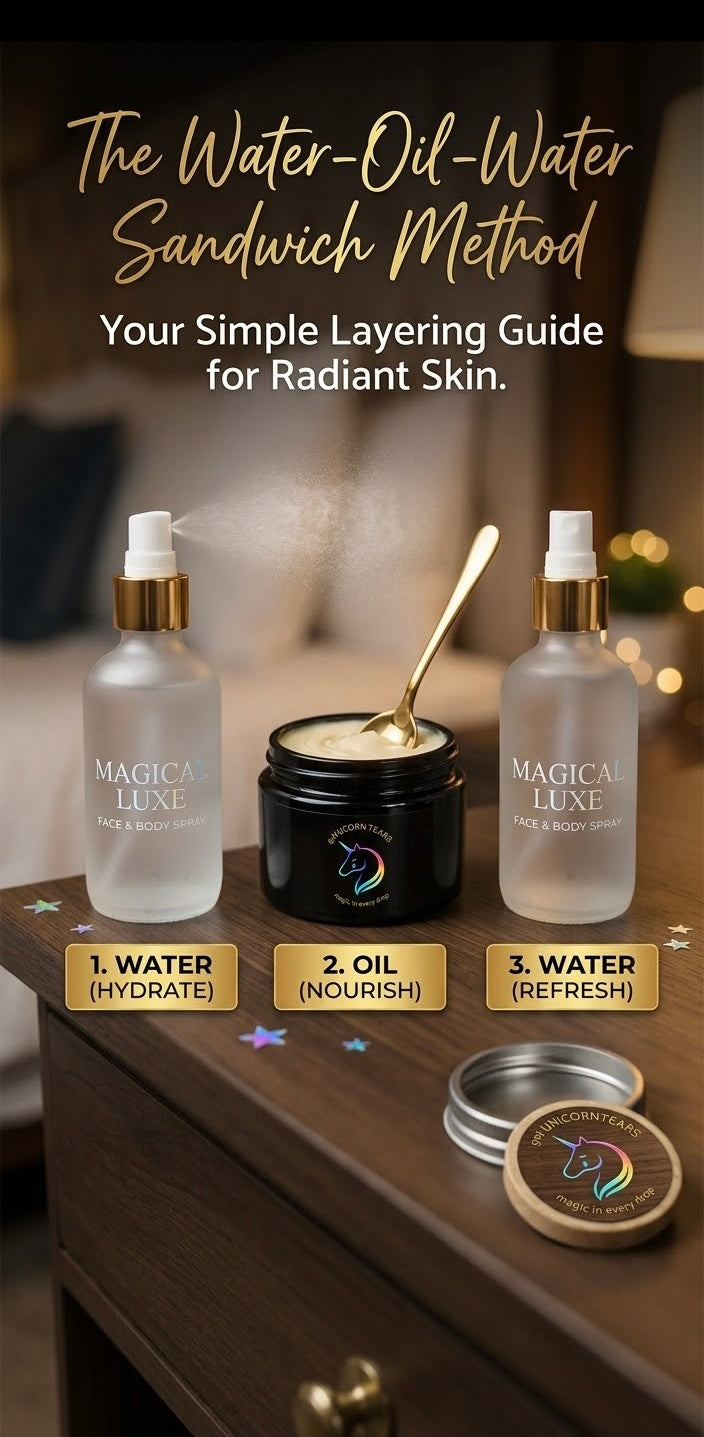
Make them say WOW! Why Layering Matters in Skincare
Make them say WOW! The Water–Oil–Water sandwich is a simple skincare layering method based on how moisture works on the skin. Instead of applying one product and hoping it does everything, this me...
Read more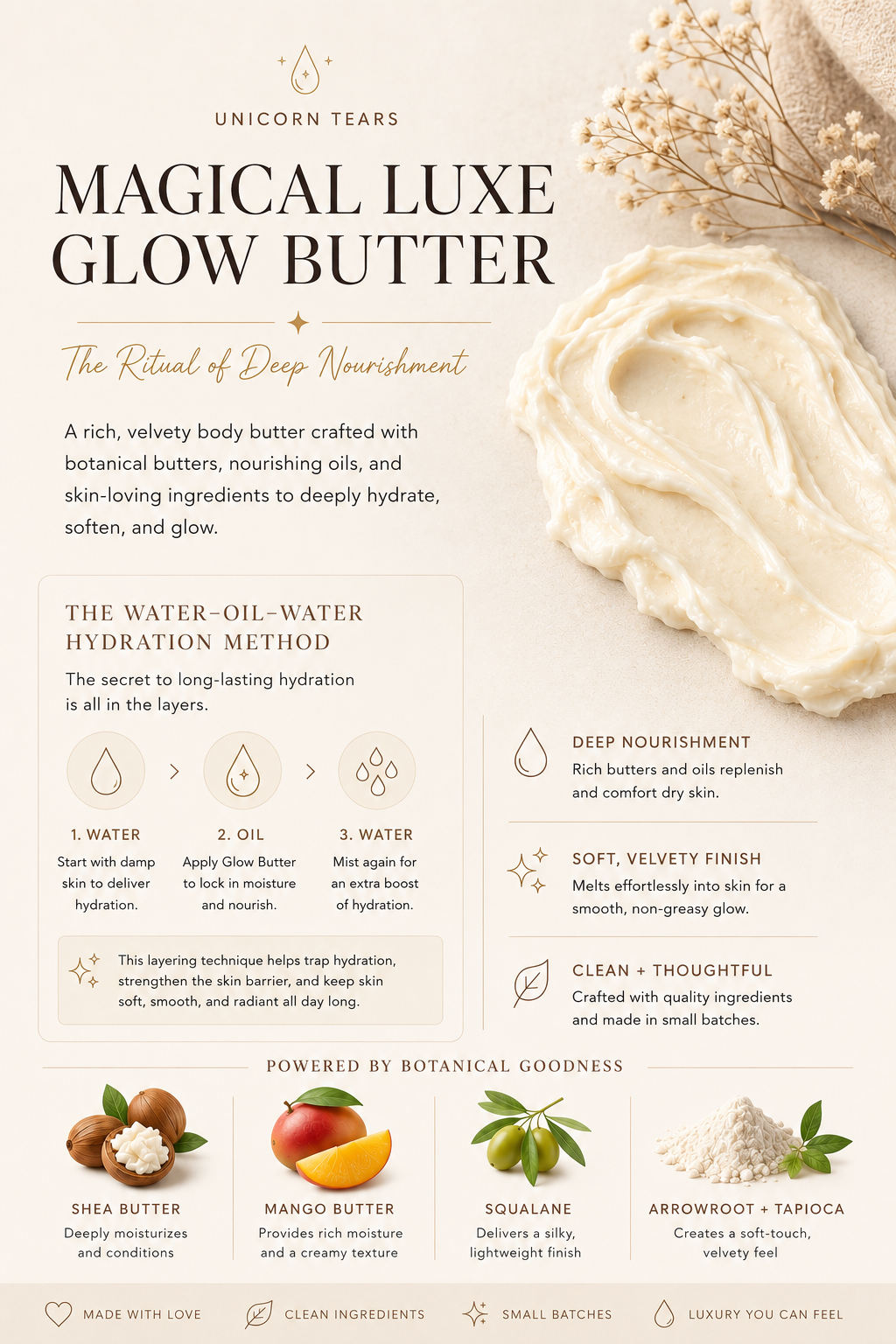
Magical Luxe Glow Butter: The Ritual of Deep Nourishment
Discover the ritual behind our luxurious Magical Luxe Glow Butter and learn how the “water–oil–water” hydration method helps lock in lasting moisture for soft, radiant, deeply nourished skin. Craft...
Read more